Recently while practicing the standing poses from the Bikram Yoga series, I noticed that I was having a strange sensation in the backs of my thighs and buttocks after releasing from the poses. At first it just felt uncomfortable, and it would disappear quickly. I had never been aware of those muscles before, though. I wondered if it had to do with the titanium stem in my femur bones. I asked another professional dancer who also has had both of her hips replaced. I wondered if she had ever felt that feeling. She told me that she did a lot of work to rebuild the muscles in the backs of her thighs and her buttocks after both of her surgeries. That is exactly where I felt it. Another dancer chimed in, telling me that he had done extensive physical therapy after having a surgery for a labral tear. As dancers, we are trained to do exercises or stretches to heal our discomfort.
I went over mentally when it felt this way. It was when I was bent over, digging fruit and vegetable scraps into my compost pile. I analyzed the position. Something about bending down and bending over at the same time caused intense discomfort in the backs of the thighs. I would reach back and put my hands on them. It was always when I stood up after forward bending poses in yoga, too. After reading about a man on the hip replacement forum who had the same issue, I decided to stop doing the movements that aggravated it. It seems obvious, but as dancers, many of us just continue to exercise through pain. And now, when I did those same yoga poses, the reaction was more severe, it hurt. It felt like a warning.
I did some of my own research on the Internet. One man said that's what had happened before he had dislocated his hip after total hip replacement surgery. "Oh my God," I thought. There's no point in even risking that. I had heard the horror stories. I went back to doing simpler yoga, basic Pilates, bike rides, and walks. I'd had an excellent recovery, and I didn't want to do anything now that would cause problems down the road. It has been almost two years since the surgery, and I can't put a price on being free from pain.
I started to think back to what I had been doing in the past month. I'd been adding things in ballet class that I probably shouldn't have: pique turns, pirouettes, balances in the center on releve on one leg, etc. I started to think about the construction of what was now inside my leg and hip joint. It's probably better to be conservative than to take chances, I thought. The music, the choreography, and the endorphins had been influencing me. I wanted to do more, but I really should be doing less.
I did some more on line research, and found that when people need revisions for implant failure, that is one of the signs. It usually happen with people who are young, very active, and who have uncemented stems.I fit the profile. That was enough to scare the daylights out of me. Fortunately, I had caught what triggered it early, and could make changes. In the old days they wouldn't give a hip replacement to a patient until they were in their seventies. People had to wait, regardless of how much pain they were experiencing.
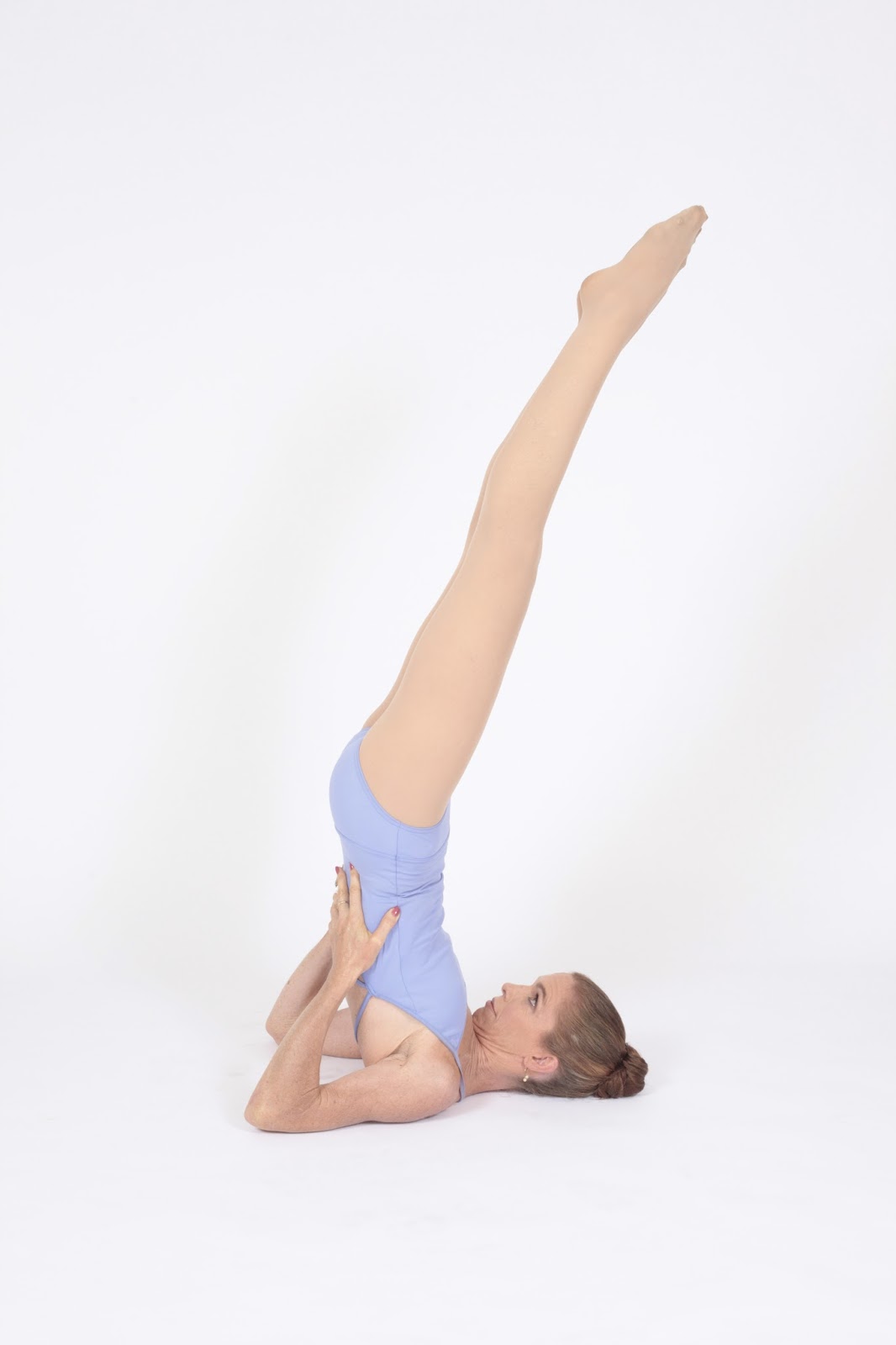
I decided to be grateful for all the things I can now do and enjoy them. Right after the surgery, I had confided to a friend of mine, "I'm really glad I had the operation, but I don't want to do it again." She was a principal dancer in a major ballet company. She agreed with me, and urged me to do things that were gentle. At the time I told her that I couldn't believe how many people went back to ballet class after having hips replaced. I thought they were crazy. Now I get it. It's such a part of your identity, and it feels good to look and feel in shape. But, at what cost? I realized. It was time to scale back, plan for the future, and to make wise choices.
I decided to think long term. Where do I want to be in thirty years? I could take advantage of the time I had now to read, write, hike in nature, run my soap making business, and take care of my home. I want these hips to last as long as possible. It's up to me to take care of them and not overdo.
My Blog List
Tuesday, May 2, 2017
Sunday, April 30, 2017
Age and the Dancer
One thing that I was never prepared for as a dancer was dealing with aging. Dancing keeps you young, and in my early forties I was very happy with my looks. I thought that as long as I stayed in shape, I would probably look the same. Once I hit forty seven, however, I felt like I was slammed with challenges. All of a sudden I had decreased range of motion in my hip joints, (down to 20%). I also experienced extreme stiffness, and I had trouble sleeping. At the time, I thought it was the aging process. Now, in retrospect, I see that it was osteoarthritis, which is very common in professional dancers. It progressed at an alarming rate. Since healing from my bilateral hip replacement surgery, I feel thirty years younger. My range of motion is much better. I no longer feel stiff or have aches and pains. I am able to easily sleep through the night. Many of my dancer friends had told me that they were pain free after their hip replacements. I found it hard to believe, but it has become true for me, as well.
In the rest of my life, several things had hit me at once. My brother had suffered a massive stroke at 49 and had died. This was a shock to the entire family. He had always been athletic, handsome, and fit. He looked like he was in his mid thirties until the end. It's strange when someone dies, and they don't get old. He never looked wrinkled or elderly. We would always remember him young, like Princess Diana. A couple of years later, my mother died, after living for many years with health problems. I was prepared for her death, but it was still traumatic. Because she had been in pain before she died, I was relieved that she was no longer suffering. Still, I missed her, because we were close. The third whammie for me was finally seeing an orthopedic surgeon and finding out that I needed to have both hips replaced. Although both hips were bone on bone, I had been in denial for years. My mother had been telling me that it was arthritis, but I didn't want to believe her. I thought I was too young for such an "old lady" disease. She was right.
Going through menopause was a learning experience. I was fortunate in that I didn't suffer from hot flashes or weight gain. I did notice a big difference in my skin, hair, and face after age fifty, though. I used to look at some of the over fifty female female choreographers I knew when I was young, and wonder why their hair was so wild and messy. Now I understood, because mine looked the same way. It had become much dryer and stiffer than it was when I was younger. It also was becoming very, very grey. I continued to use henna, because when I would let the roots grow out, I felt like a hag. I just couldn't do it. I felt like I looked like I was in my seventies with grey hair. Some people could pull it off, especially men. For some reason, a lot of the guys I know look terrific with silver hair. My friend told me about a powder you can buy on Amazon to cover your roots. It's called Wow. I bought a box, and loved it. I found that had to leave the henna treatment on for four hours to cover the grey. It did the job, though.
The thing that really surprised me was the drop in libido. I did some research, and wondered if it was low estrogen. I had friends who were on hormone replacement therapy, but that really wasn't what I wanted. I went back to practicing Kundalini Yoga, and that was an instant fix. Kundalini Yoga moves the energy from the base of the spine up to the top of the head. It gives a radiance to the skin and face, and really makes a person glow. I have been working on a set called Awakening the Ten Bodies of Light. I am amazed at the benefits and changes I feel. I like it because it is natural. Certain foods can really help, too. Some of my favorites are pineapple, beets, garlic, onions, and chili peppers. They act as natural aphrodisiacs.
I also noticed my eyesight becoming weaker, and my memory was suffering. I bought some reading glasses, and they did the trick for my eyes. As far as my memory, I realized that I could still take ballet classes, but that putting myself in a professional level class was really causing WAY too much stress. I would feel anxious about remembering the combinations, and sometimes I would blank out or make errors. It was very unlike me. I used to be a quick study. But, it was happening. I started taking classes that were not as advanced, and began to enjoy ballet again. You respond differently to stress as you get older, and in my case, I no longer put myself in situations that make me feel jumpy or upset. When I was younger I would push myself very hard. I forced myself to learn all sorts of styles and methods quickly. Now I work more methodically and enjoy it. There's no rush. I don't have to hurry or force it. It's a relief not be so stressed.
In the rest of my life, several things had hit me at once. My brother had suffered a massive stroke at 49 and had died. This was a shock to the entire family. He had always been athletic, handsome, and fit. He looked like he was in his mid thirties until the end. It's strange when someone dies, and they don't get old. He never looked wrinkled or elderly. We would always remember him young, like Princess Diana. A couple of years later, my mother died, after living for many years with health problems. I was prepared for her death, but it was still traumatic. Because she had been in pain before she died, I was relieved that she was no longer suffering. Still, I missed her, because we were close. The third whammie for me was finally seeing an orthopedic surgeon and finding out that I needed to have both hips replaced. Although both hips were bone on bone, I had been in denial for years. My mother had been telling me that it was arthritis, but I didn't want to believe her. I thought I was too young for such an "old lady" disease. She was right.
Going through menopause was a learning experience. I was fortunate in that I didn't suffer from hot flashes or weight gain. I did notice a big difference in my skin, hair, and face after age fifty, though. I used to look at some of the over fifty female female choreographers I knew when I was young, and wonder why their hair was so wild and messy. Now I understood, because mine looked the same way. It had become much dryer and stiffer than it was when I was younger. It also was becoming very, very grey. I continued to use henna, because when I would let the roots grow out, I felt like a hag. I just couldn't do it. I felt like I looked like I was in my seventies with grey hair. Some people could pull it off, especially men. For some reason, a lot of the guys I know look terrific with silver hair. My friend told me about a powder you can buy on Amazon to cover your roots. It's called Wow. I bought a box, and loved it. I found that had to leave the henna treatment on for four hours to cover the grey. It did the job, though.
The thing that really surprised me was the drop in libido. I did some research, and wondered if it was low estrogen. I had friends who were on hormone replacement therapy, but that really wasn't what I wanted. I went back to practicing Kundalini Yoga, and that was an instant fix. Kundalini Yoga moves the energy from the base of the spine up to the top of the head. It gives a radiance to the skin and face, and really makes a person glow. I have been working on a set called Awakening the Ten Bodies of Light. I am amazed at the benefits and changes I feel. I like it because it is natural. Certain foods can really help, too. Some of my favorites are pineapple, beets, garlic, onions, and chili peppers. They act as natural aphrodisiacs.
I also noticed my eyesight becoming weaker, and my memory was suffering. I bought some reading glasses, and they did the trick for my eyes. As far as my memory, I realized that I could still take ballet classes, but that putting myself in a professional level class was really causing WAY too much stress. I would feel anxious about remembering the combinations, and sometimes I would blank out or make errors. It was very unlike me. I used to be a quick study. But, it was happening. I started taking classes that were not as advanced, and began to enjoy ballet again. You respond differently to stress as you get older, and in my case, I no longer put myself in situations that make me feel jumpy or upset. When I was younger I would push myself very hard. I forced myself to learn all sorts of styles and methods quickly. Now I work more methodically and enjoy it. There's no rush. I don't have to hurry or force it. It's a relief not be so stressed.
Wednesday, April 26, 2017
Spending Time in Nature
Spending time in nature changes the way that we feel. When I first bought my vintage cottage, it had been empty for two years. It was surrounded by tall, flowering weeds and Bermuda grass. The front of the house looked neglected and dilapidated. In my mind's eye, however, I saw potential. I wanted to transform it into a fairy tale cottage like the ones I had seen when visiting Carmel. They had made a vivid impression on me. What stood out to me about those little houses were the gorgeous front gardens. They were lush, healthy, and individual works of art. People had all kinds of flowers in bloom. The feeling that you got as you walked by was so energizing and healing. They radiated pure beauty, and it took my breath away.
My first challenge here was to get rid of all of the devil grass, or Bermuda. I researched a method called lasagna gardening, and used it to suffocate the weeds. I covered the yard with a layer of straw, followed by a layer of manure, and then a layer of wood chips. The soil improved as the sheet mulch broke down and fed the Earth. Instead of planting a lawn, I put in a cottage garden. I planted old fashioned flowers like hollyhocks, larkspur, geraniums, and lilies. I added some herbs, roses, window boxes, and hanging baskets. It really created a peaceful and healing atmosphere. I spend time every morning sitting out there with my dogs, a cup of coffee, and my knitting. We watch the alpacas that live up on the hill across the street, and listen to the roosters crowing. I love the sound of the hens clucking excitedly as they lay their eggs. In June, I plant giant pumpkins, which give the garden a storybook feel. I have several old trees on my property, and they provide a lot of oxygen, greenery, and shade. They also help to keep the house cool.
Anytime I am feeling off balance, negative, or not myself, I go outside and sit on the front porch. The air feels fresher out there. It's cool, soothing, and quiet. I can hear the birds in the trees singing, and the neighbor's goats down the street bleating. I am instantly connected to Mother Nature and her healing powers. Spending time in nature is free, and it's priceless. It helps to put us in sync with plants, animals, and our spiritual selves.
My first challenge here was to get rid of all of the devil grass, or Bermuda. I researched a method called lasagna gardening, and used it to suffocate the weeds. I covered the yard with a layer of straw, followed by a layer of manure, and then a layer of wood chips. The soil improved as the sheet mulch broke down and fed the Earth. Instead of planting a lawn, I put in a cottage garden. I planted old fashioned flowers like hollyhocks, larkspur, geraniums, and lilies. I added some herbs, roses, window boxes, and hanging baskets. It really created a peaceful and healing atmosphere. I spend time every morning sitting out there with my dogs, a cup of coffee, and my knitting. We watch the alpacas that live up on the hill across the street, and listen to the roosters crowing. I love the sound of the hens clucking excitedly as they lay their eggs. In June, I plant giant pumpkins, which give the garden a storybook feel. I have several old trees on my property, and they provide a lot of oxygen, greenery, and shade. They also help to keep the house cool.
Anytime I am feeling off balance, negative, or not myself, I go outside and sit on the front porch. The air feels fresher out there. It's cool, soothing, and quiet. I can hear the birds in the trees singing, and the neighbor's goats down the street bleating. I am instantly connected to Mother Nature and her healing powers. Spending time in nature is free, and it's priceless. It helps to put us in sync with plants, animals, and our spiritual selves.
Monday, April 24, 2017
The Company You Keep
Spending time with people we enjoy makes a huge difference in how we feel. People who are upbeat, friendly, and kind radiate a special attractiveness and appeal. They are a pleasure to be around, and they create positive energy wherever they go.
When I was a teenager I met a teacher at a ballet seminar who had a very buoyant energy field. She was so inspiring, and her enthusiasm uplifted all of us. When I was struggling to grasp the petite allegro, she gave me some valuable advice. "Stephenie, I want to you to sing to yourself during this combination," she told me quietly. "I love to jump. I love to jump," she sang to the melody that the pianist had played. I tried it, and it worked. Suddenly I had the combination, and I developed the coordination. She showed me how to make it easy. I felt an instant sense of relief and gained confidence. My ability soared with her simple advice.
Teachers who are positive have great self discipline. They make a choice to focus on what they want, not on what they don't want. They are able to explain the details of what you need to do to make things require less effort. They can see your blocks, and they know how to remove them. They've been there, and they know what works.
My Aunt Mary was a person who always lifted my spirits when she walked into the room. She was a very funny, positive, and warm person. She remained single her whole life, and she didn't have any children. She was extremely generous to all of her nieces and nephews, and we adored her. She would bring us really fun gifts like candy cigarettes. (She was a passionate smoker.) We thought it was so hysterical to have a smoke with her. I still remember how pink they were, and how sweet they tasted. I used to love to fix her a bourbon and ginger ale, and then light her cigarette. I was in my glory. Sometimes she bought us bags of chocolate coins. Her clever gifts were always things that we never got at home. They weren't expensive, but they were very humorous and creative. When we would visit at her house she would have a paint by number set for me, and a few model airplanes for my three brothers. It was so much fun to go to her home. She was a terrific cook, and she made delicious meals. Each visit with her was a celebration.
Aunt Mary always had an exciting trip planned, which she would look forward to for months. She would flip through the brochures from the cruise companies and talk about her next voyage to Alaska, or the Panama Canal. She would take my mother, to give her a break from raising four kids. My mother was ecstatic. Nobody else's mother in our neighborhood went on vacation from their family, but it really seemed to help my mom.
Each year Mary bought season tickets to see the Broadway shows that were playing in San Francisco. She got extras so that my mother and I could join her. It was because of her that I chose the career path that I did. After seeing A Chorus Line, I knew that was what I wanted to do. I wanted to dance in Broadway shows.
When I think of the type of person I would like to be, I think of my aunt. She radiated a spirit of generosity and an enthusiasm for life.
When I was a teenager I met a teacher at a ballet seminar who had a very buoyant energy field. She was so inspiring, and her enthusiasm uplifted all of us. When I was struggling to grasp the petite allegro, she gave me some valuable advice. "Stephenie, I want to you to sing to yourself during this combination," she told me quietly. "I love to jump. I love to jump," she sang to the melody that the pianist had played. I tried it, and it worked. Suddenly I had the combination, and I developed the coordination. She showed me how to make it easy. I felt an instant sense of relief and gained confidence. My ability soared with her simple advice.
Teachers who are positive have great self discipline. They make a choice to focus on what they want, not on what they don't want. They are able to explain the details of what you need to do to make things require less effort. They can see your blocks, and they know how to remove them. They've been there, and they know what works.
My Aunt Mary was a person who always lifted my spirits when she walked into the room. She was a very funny, positive, and warm person. She remained single her whole life, and she didn't have any children. She was extremely generous to all of her nieces and nephews, and we adored her. She would bring us really fun gifts like candy cigarettes. (She was a passionate smoker.) We thought it was so hysterical to have a smoke with her. I still remember how pink they were, and how sweet they tasted. I used to love to fix her a bourbon and ginger ale, and then light her cigarette. I was in my glory. Sometimes she bought us bags of chocolate coins. Her clever gifts were always things that we never got at home. They weren't expensive, but they were very humorous and creative. When we would visit at her house she would have a paint by number set for me, and a few model airplanes for my three brothers. It was so much fun to go to her home. She was a terrific cook, and she made delicious meals. Each visit with her was a celebration.
Aunt Mary always had an exciting trip planned, which she would look forward to for months. She would flip through the brochures from the cruise companies and talk about her next voyage to Alaska, or the Panama Canal. She would take my mother, to give her a break from raising four kids. My mother was ecstatic. Nobody else's mother in our neighborhood went on vacation from their family, but it really seemed to help my mom.
Each year Mary bought season tickets to see the Broadway shows that were playing in San Francisco. She got extras so that my mother and I could join her. It was because of her that I chose the career path that I did. After seeing A Chorus Line, I knew that was what I wanted to do. I wanted to dance in Broadway shows.
When I think of the type of person I would like to be, I think of my aunt. She radiated a spirit of generosity and an enthusiasm for life.
Monday, April 10, 2017
Eating Sensibly
When I was eighteen, I rented a room from a former ballerina who had danced with The Royal Ballet in London. Her name was Rosemary Valaire. She was a very famous ballet teacher and coach in Santa Monica, California. I loved taking her classes and watching her teach. Her close friend, (the director of the ballet school,) Yvonne Mounsey, jokingly referred to her as "the sage of Mar Vista." She was a very wise and accomplished woman. Just being in her presence made me feel spiritual and hopeful. She had worked with many famous dancers and was highly respected in the ballet world. She and Yvonne were turning out a large percentage of professional dancers my age. I liked being around her. It was exciting.
At that time of my life I was starting to become concerned about my weight. I had always been lean. I had a dancer's body, thanks to my gymnastics and early Cecchetti training. Once in LA, I took a part time job to pay for my classes and expenses. After I started working at Mac Donald's and eating their free food, I began to get a little heavier. I remember catching a glimpse of my reflection in the large glass windows outside the studio and thinking, "Is that my butt?" I was shocked. I had never really had to worry about what I ate. I was getting to that age, however. When living at home, my mom had always been an excellent cook. She used to make dinner early, at about 3:00 p.m. That way I could eat a large meal before I went in to the studio each afternoon. I assisted the children's classes, and then took my own classes until 9:00 p.m. My dad would save me a second helping to have once I got home, which I really appreciated. It was always on the stove when I walked in the door. Everyone else was in bed, and the house was dark. I loved her cooking. It was delicious and nourishing. I was fortunate that we had good quality meals: either meat or chicken, potatoes, and salad. She also made several delicious casseroles.
Once I moved in with Rosemary, I had a whole new experience in the kitchen. Rosemary made a large salad every night, with homemade Italian dressing. I loved the fresh garlic that she pressed into the wooden salad bowl with her garlic press. I had never seen one before. She sprinkled the herbs on top of the salad before serving it. It felt very European to me. She had two orange trees growing in her backyard. We were able to pick oranges whenever we wanted, and we could have freshly squeezed orange juice for breakfast. I was enamored with the whole scenario, and vowed that I would have my own citrus trees when I grew up and bought my own home.
Rosemary taught me not to diet, but to eat sensibly. We ate a lot of fresh fruits and vegetables, and she brewed delicious French Roast coffee every morning. She liked her coffee very hot. She ground her own beans that she bought at the Coffee Bean and Tea Leaf. She would heat the milk on the stove,and reheat the coffee after it had run through her Melita drip grinder. She placed everything on a fancy tray, and and then would strain the milk through a small sterling silver strainer. I found the whole ritual fascinating. She had flourless whole wheat toast every morning. A few times a week she would scramble eggs, which were brown. We had always bought white eggs at our house. I thought the brown ones were prettier. She was a great example of a healthy and reasonable eater.
She explained to me that if you just eat sensibly, you don't need to diet. She bought delicious nut breads at Trader Joe's, and would have a slice of those as a treat with her coffee. She taught me how to make an apple pie with a homemade crust. She used butter, whole wheat pastry flour, and she made a lattice top. Her rolling pin was made of grey marble. Ours growing up was wooden. I thought hers was just gorgeous. The pie was delicious. I was very enthusiastic about learning her recipes. "You're a good cook," she told me. That just sent me. My mom had taught me well. If Rosemary asked me to make a white sauce when I helped her in the kitchen, I knew what to do. She would nod at me approvingly.
Thanks to Rosemary and my mom, I never had to diet. Rosemary told me to stop eating "that MacDonalds," and she wouldn't allow it in the house. We didn't eat any garbage there. I kept up the habits I learned with her, and found it easy and natural to stay slim. Eventually I bought my own cottage in Los Angeles, and one of the first things I did was to plant fruit trees. When I got my first show and moved out of her house, she presented me with my own marble rolling pin. I think it was from Williams Sonoma. I showed it to my mom and she was very impressed. Now whenever I have a glass of freshly squeezed orange juice, I think of her.
At that time of my life I was starting to become concerned about my weight. I had always been lean. I had a dancer's body, thanks to my gymnastics and early Cecchetti training. Once in LA, I took a part time job to pay for my classes and expenses. After I started working at Mac Donald's and eating their free food, I began to get a little heavier. I remember catching a glimpse of my reflection in the large glass windows outside the studio and thinking, "Is that my butt?" I was shocked. I had never really had to worry about what I ate. I was getting to that age, however. When living at home, my mom had always been an excellent cook. She used to make dinner early, at about 3:00 p.m. That way I could eat a large meal before I went in to the studio each afternoon. I assisted the children's classes, and then took my own classes until 9:00 p.m. My dad would save me a second helping to have once I got home, which I really appreciated. It was always on the stove when I walked in the door. Everyone else was in bed, and the house was dark. I loved her cooking. It was delicious and nourishing. I was fortunate that we had good quality meals: either meat or chicken, potatoes, and salad. She also made several delicious casseroles.
Once I moved in with Rosemary, I had a whole new experience in the kitchen. Rosemary made a large salad every night, with homemade Italian dressing. I loved the fresh garlic that she pressed into the wooden salad bowl with her garlic press. I had never seen one before. She sprinkled the herbs on top of the salad before serving it. It felt very European to me. She had two orange trees growing in her backyard. We were able to pick oranges whenever we wanted, and we could have freshly squeezed orange juice for breakfast. I was enamored with the whole scenario, and vowed that I would have my own citrus trees when I grew up and bought my own home.
Rosemary taught me not to diet, but to eat sensibly. We ate a lot of fresh fruits and vegetables, and she brewed delicious French Roast coffee every morning. She liked her coffee very hot. She ground her own beans that she bought at the Coffee Bean and Tea Leaf. She would heat the milk on the stove,and reheat the coffee after it had run through her Melita drip grinder. She placed everything on a fancy tray, and and then would strain the milk through a small sterling silver strainer. I found the whole ritual fascinating. She had flourless whole wheat toast every morning. A few times a week she would scramble eggs, which were brown. We had always bought white eggs at our house. I thought the brown ones were prettier. She was a great example of a healthy and reasonable eater.
She explained to me that if you just eat sensibly, you don't need to diet. She bought delicious nut breads at Trader Joe's, and would have a slice of those as a treat with her coffee. She taught me how to make an apple pie with a homemade crust. She used butter, whole wheat pastry flour, and she made a lattice top. Her rolling pin was made of grey marble. Ours growing up was wooden. I thought hers was just gorgeous. The pie was delicious. I was very enthusiastic about learning her recipes. "You're a good cook," she told me. That just sent me. My mom had taught me well. If Rosemary asked me to make a white sauce when I helped her in the kitchen, I knew what to do. She would nod at me approvingly.
Thanks to Rosemary and my mom, I never had to diet. Rosemary told me to stop eating "that MacDonalds," and she wouldn't allow it in the house. We didn't eat any garbage there. I kept up the habits I learned with her, and found it easy and natural to stay slim. Eventually I bought my own cottage in Los Angeles, and one of the first things I did was to plant fruit trees. When I got my first show and moved out of her house, she presented me with my own marble rolling pin. I think it was from Williams Sonoma. I showed it to my mom and she was very impressed. Now whenever I have a glass of freshly squeezed orange juice, I think of her.
Thursday, March 30, 2017
Rebuilding Your Thigh Muscles After Surgery
Since having both of my hips replaced, I have been slowly getting back into shape, while being careful not to overdo. Initially, I just did household tasks as physical therapy. While in the hospital, I was given a sheet of physical therapy exercises to do; I did them there and once I got home. I was careful not to do too many repetitions. I had heard stories of people over exercising after hip replacement surgery, and then having problems with bursitis and tendonitis.
My surgeon and his assistant recommended walking and riding the stationary bike, so I did those, too. At first the bike really aggravated my hip joints, so I waited. Little by little, I was able to add more activity. It took a long time, but eventually I was doing some yoga and pilates each night before bed. I felt like the class I gave myself was simple, but it felt healing and relaxing.
After about a year and a half, I decided to try doing the Bikram Yoga sequence. I had tried it twelve months after my operation, but again, my hip flexors burned, and it felt wrong... so I stopped. In the meantime, my thigh muscles had atrophied. Because I was a professional dancer for so many years, I had never seen my leg muscles just waste away like they did. I had to severely limit what I did the three years before having the surgery. One by one, I was giving up my favorite activities. I could no longer do yoga, pilates, ride my bike, or work in the garden. Forget about dancing. I stopped going for walks because people would stare at my gait. (which my neighbor described as "atrocious".) I was bent forward from the waist, and my father told me that I looked like a little old lady. My thighs had shrunk, and were the size of my boyfriend's arms. "We've got to get some weight on you," he would tell me. I would get very defensive, because people kept making comments about how skinny my legs were. The seniors at the pool all assumed I was anorexic, and would shake their heads at me. It was the osteoarthritis. I really was wasting away. I felt a sense of dismay and deep worry. I had always taken my health for granted. I almost never got sick, and I had never had a weight problem. Unlike a lot of women, I had always been happy with my body, because of the way dance and yoga had shaped it. Now I looked like I had a disease.
After the surgery, I noticed a huge difference. My bones were in the right place, and I had a liner to replace the cartilage, I could use my muscles. I couldn't believe the difference a few short years had made in my legs. The skin looked like a baggy sack. My thighs had become lumpy, like cottage cheese. I had always had very toned, strong, dancer's legs. It was a blow to my ego. I told myself just to be grateful that I was no longer in pain. I didn't want to get injured, and THR requires a very long recovery. I walked, rode my bike, did my easy yoga, and watched the rest of my body become more toned and cut. My thighs still looked sluggish and soft.
I began taking a few ballet classes a week, working in a barely turned out first position. I focused on the upper body, and did very little from the waist to the feet. I decided not to put any strain on my hip or knee joints. I found I was able to do a half set of Bikram Yoga at home on the days that I didn't dance. I remembered that Juliet Prowse had both of her hips replaced, and she still had gorgeous legs. When I worked with her, I noticed that she did Bikram Yoga every day, and she also took Pilates classes. She was very dedicated. I figured if she was able to get her legs back in shape, maybe I could, too.
I noticed an immediate difference after adding back the Vaganova ballet and Bikram Yoga sequence. These were familiar exercises to my body, and they work in very sophisticated ways. Finally, my legs started to take shape again. I had never understood how women could get soggy legs, and the surgery taught me first hand how much harder it is to gain muscle when it isn't already there. Since I had been a young gymnast and dancer, I had never really had that experience. Part of me was going to give up, because I thought it was just age and nerve damage from the surgery. Now I am seeing that it isn't. It's going to take time and work, but my dancer's legs will return, I can see the beginning.
My surgeon and his assistant recommended walking and riding the stationary bike, so I did those, too. At first the bike really aggravated my hip joints, so I waited. Little by little, I was able to add more activity. It took a long time, but eventually I was doing some yoga and pilates each night before bed. I felt like the class I gave myself was simple, but it felt healing and relaxing.
After about a year and a half, I decided to try doing the Bikram Yoga sequence. I had tried it twelve months after my operation, but again, my hip flexors burned, and it felt wrong... so I stopped. In the meantime, my thigh muscles had atrophied. Because I was a professional dancer for so many years, I had never seen my leg muscles just waste away like they did. I had to severely limit what I did the three years before having the surgery. One by one, I was giving up my favorite activities. I could no longer do yoga, pilates, ride my bike, or work in the garden. Forget about dancing. I stopped going for walks because people would stare at my gait. (which my neighbor described as "atrocious".) I was bent forward from the waist, and my father told me that I looked like a little old lady. My thighs had shrunk, and were the size of my boyfriend's arms. "We've got to get some weight on you," he would tell me. I would get very defensive, because people kept making comments about how skinny my legs were. The seniors at the pool all assumed I was anorexic, and would shake their heads at me. It was the osteoarthritis. I really was wasting away. I felt a sense of dismay and deep worry. I had always taken my health for granted. I almost never got sick, and I had never had a weight problem. Unlike a lot of women, I had always been happy with my body, because of the way dance and yoga had shaped it. Now I looked like I had a disease.
After the surgery, I noticed a huge difference. My bones were in the right place, and I had a liner to replace the cartilage, I could use my muscles. I couldn't believe the difference a few short years had made in my legs. The skin looked like a baggy sack. My thighs had become lumpy, like cottage cheese. I had always had very toned, strong, dancer's legs. It was a blow to my ego. I told myself just to be grateful that I was no longer in pain. I didn't want to get injured, and THR requires a very long recovery. I walked, rode my bike, did my easy yoga, and watched the rest of my body become more toned and cut. My thighs still looked sluggish and soft.
I began taking a few ballet classes a week, working in a barely turned out first position. I focused on the upper body, and did very little from the waist to the feet. I decided not to put any strain on my hip or knee joints. I found I was able to do a half set of Bikram Yoga at home on the days that I didn't dance. I remembered that Juliet Prowse had both of her hips replaced, and she still had gorgeous legs. When I worked with her, I noticed that she did Bikram Yoga every day, and she also took Pilates classes. She was very dedicated. I figured if she was able to get her legs back in shape, maybe I could, too.
I noticed an immediate difference after adding back the Vaganova ballet and Bikram Yoga sequence. These were familiar exercises to my body, and they work in very sophisticated ways. Finally, my legs started to take shape again. I had never understood how women could get soggy legs, and the surgery taught me first hand how much harder it is to gain muscle when it isn't already there. Since I had been a young gymnast and dancer, I had never really had that experience. Part of me was going to give up, because I thought it was just age and nerve damage from the surgery. Now I am seeing that it isn't. It's going to take time and work, but my dancer's legs will return, I can see the beginning.
Wednesday, March 22, 2017
Using Your Natural Abilities
Sunday, March 19, 2017
Yoga Breathing For Pain Management
Yoga breathing is one of the most useful tools I have ever learned to block pain and to manage fear. Each evening, I start my yoga practice with inhaling for eight counts, holding for eight counts, and exhaling for eight counts. I repeat this cycle several times, usually for at least five minutes. It's very relaxing and it calms the mind. After setting myself up this way, I move into the next section of my practice.
When at the dentist, I find that this breathing exercise is incredibly helpful to use during the novocaine shot. It enables me to relax and remain calm. Rather than focusing on pain, or the sensation of the needle, I shift my attention to counting the breaths. My dentist has told me that he wishes all of his patients knew how to breathe like I do. It makes his job easier.
When I had my hips replaced, the anesthesiologist asked me if I wanted a tranquilizer. I declined, and told him that I would do my yoga breathing to stay calm. It gave me a focus, and it worked. When I woke up after the surgery was completed, I was still counting to eight, as I did the inhale, hold, and exhale. The nurse in recovery asked me to stop. She said that my intense breathing was throwing off their machines. I heard her tell the doctors that my vital signs were strong. I kind of chuckled to myself. Even though the operation had taken three hours, I was still breathing and counting in segments of eight as soon as I awoke. Dancers are that way...very intense with their discipline. The nurse in pre op had told me that I would need that breathing for the pain in the recovery room. She was right. It was so useful, and since I had practiced it every day for so many years, it had become a part of my routine. Once they wheeled me up into my room, I was given something in the iv that completely numbed the surgical area.
When we know we can control pain with our breathing, it gives us a sense of personal power and capability. We are less prone to panic or feel like victims. Breathing through pain is free, and it's easy to do. Not everyone understands it, but once you do, it can really bring relief and confidence in your own self healing abilities.
When at the dentist, I find that this breathing exercise is incredibly helpful to use during the novocaine shot. It enables me to relax and remain calm. Rather than focusing on pain, or the sensation of the needle, I shift my attention to counting the breaths. My dentist has told me that he wishes all of his patients knew how to breathe like I do. It makes his job easier.
When I had my hips replaced, the anesthesiologist asked me if I wanted a tranquilizer. I declined, and told him that I would do my yoga breathing to stay calm. It gave me a focus, and it worked. When I woke up after the surgery was completed, I was still counting to eight, as I did the inhale, hold, and exhale. The nurse in recovery asked me to stop. She said that my intense breathing was throwing off their machines. I heard her tell the doctors that my vital signs were strong. I kind of chuckled to myself. Even though the operation had taken three hours, I was still breathing and counting in segments of eight as soon as I awoke. Dancers are that way...very intense with their discipline. The nurse in pre op had told me that I would need that breathing for the pain in the recovery room. She was right. It was so useful, and since I had practiced it every day for so many years, it had become a part of my routine. Once they wheeled me up into my room, I was given something in the iv that completely numbed the surgical area.
When we know we can control pain with our breathing, it gives us a sense of personal power and capability. We are less prone to panic or feel like victims. Breathing through pain is free, and it's easy to do. Not everyone understands it, but once you do, it can really bring relief and confidence in your own self healing abilities.
Friday, March 17, 2017
Being Careful with Physical Therapy
The only time I have ever worked with a physical therapist was in the first few days in the hospital after my bilateral hip replacements. I did a lot of research before having my hips replaced, and I was concerned that doing the physical therapy would cause pain. I had read stories of people who said that their pain skyrocketed a few hours after doing the exercises. I made a conscious decision to listen to my body, and not to push. I knew that a big part of the reason that I had to have my hips replaced was because I had literally worked them to the bone. After 47 years of dancing, I had worn away all of the cartilage. I was determined to learn the lessons from this experience and to not make the same mistakes again.
My surgery was the first one scheduled for the day. My neighbor picked me up at 4:00 a.m. and drove me to the hospital in Santa Monica. I was wheeled into the operating room at 7:00 a.m. and was finished shortly after 10:00 a.m. I don't remember how long I was in recovery. Later that afternoon, they asked me if I wanted to get up and to walk. I declined. "I just want to lay perfectly still," I answered. As long as I did that, I felt safe. I did a lot of prayer and healing visualization. My reaction was like that of an injured animal. I wanted to protect the parts of me that felt vulnerable. My hips didn't hurt, but my thigh bones felt very tender. They had done a lot of hammering and drilling into the femur. The pain medications that they gave me worked like a charm, but I was still aware of the trauma that my body had experienced. The last thing I felt like doing was exercising. The idea of walking laps around the hospital seemed kind of crazy to me.
They brought me dinner, which was kind of exciting. For some reason I didn't expect it. Maybe I had read somewhere that I wouldn't be eating any solid food until the following day. Dr. Matta had told me that vegetarians don't do well with this surgery, so I had been eating plenty of meat leading up to it. I wanted to do all that I could as far as diet and preparation.
The next day I met the physical therapist. I quickly realized that she was going to push me. I told her that I just wanted to do the minimal amount of the exercises, and to see how I felt afterward. I did ten repetitions comfortably and then stopped. They recommended doing between ten and thirty repetitions. She was surprised at how easily I did them. I had looked the movements up on line and worked on some of them before the surgery. She could tell. Some I couldn't do at the time because I was bone on bone, but now I could.
For the walking, she put sort of an adult leash on me, and had me use a walker. I didn't like the leash or how it felt to walk, but I kept my comments to myself and tried to stay positive. "Right, left, right, left," I whispered. I pretended I was walking to music. Once of the mantras that I gave myself in the hospital was, "Cooperate." The walking felt wrong. I would have rather waited, but I just did it. I felt a sense of them being in a rush at the hospital to get me to do the exercises and to discharge me. My own feeling was that there was plenty of time.
I kept that approach to the physical therapy throughout the first year of my recovery. I worked up to a total of thirty repetitions each day of the exercises I had learned in the hospital. I could have easily done more, but I decided not to push. Dr. Matta tells his patients that for the first few weeks, your household tasks are your physical therapy. I loved that attitude. It made so much sense to me. It was true, and it felt safe, logical, and sensible.
Although many people have a physical therapist come to their house, or they go to a special center for rehabilitation, I did my own routine. My recovery was excellent, and I didn't have any problems. I firmly believe that less is more after having a total hip replacement. Thankfully I didn't experience any tendinitis or bursitis, just a gradual and consistent healing. Patience was key.
My surgery was the first one scheduled for the day. My neighbor picked me up at 4:00 a.m. and drove me to the hospital in Santa Monica. I was wheeled into the operating room at 7:00 a.m. and was finished shortly after 10:00 a.m. I don't remember how long I was in recovery. Later that afternoon, they asked me if I wanted to get up and to walk. I declined. "I just want to lay perfectly still," I answered. As long as I did that, I felt safe. I did a lot of prayer and healing visualization. My reaction was like that of an injured animal. I wanted to protect the parts of me that felt vulnerable. My hips didn't hurt, but my thigh bones felt very tender. They had done a lot of hammering and drilling into the femur. The pain medications that they gave me worked like a charm, but I was still aware of the trauma that my body had experienced. The last thing I felt like doing was exercising. The idea of walking laps around the hospital seemed kind of crazy to me.
They brought me dinner, which was kind of exciting. For some reason I didn't expect it. Maybe I had read somewhere that I wouldn't be eating any solid food until the following day. Dr. Matta had told me that vegetarians don't do well with this surgery, so I had been eating plenty of meat leading up to it. I wanted to do all that I could as far as diet and preparation.
The next day I met the physical therapist. I quickly realized that she was going to push me. I told her that I just wanted to do the minimal amount of the exercises, and to see how I felt afterward. I did ten repetitions comfortably and then stopped. They recommended doing between ten and thirty repetitions. She was surprised at how easily I did them. I had looked the movements up on line and worked on some of them before the surgery. She could tell. Some I couldn't do at the time because I was bone on bone, but now I could.
For the walking, she put sort of an adult leash on me, and had me use a walker. I didn't like the leash or how it felt to walk, but I kept my comments to myself and tried to stay positive. "Right, left, right, left," I whispered. I pretended I was walking to music. Once of the mantras that I gave myself in the hospital was, "Cooperate." The walking felt wrong. I would have rather waited, but I just did it. I felt a sense of them being in a rush at the hospital to get me to do the exercises and to discharge me. My own feeling was that there was plenty of time.
I kept that approach to the physical therapy throughout the first year of my recovery. I worked up to a total of thirty repetitions each day of the exercises I had learned in the hospital. I could have easily done more, but I decided not to push. Dr. Matta tells his patients that for the first few weeks, your household tasks are your physical therapy. I loved that attitude. It made so much sense to me. It was true, and it felt safe, logical, and sensible.
Although many people have a physical therapist come to their house, or they go to a special center for rehabilitation, I did my own routine. My recovery was excellent, and I didn't have any problems. I firmly believe that less is more after having a total hip replacement. Thankfully I didn't experience any tendinitis or bursitis, just a gradual and consistent healing. Patience was key.
Thursday, March 16, 2017
How Emotions Color Your Dancing
A few weeks ago, an adult dancer in the ballet class I take came up to me and said, "I love watching you dance. You look so happy." I laughed and thanked her. I was so surprised and flattered at her compliment. "That's because I couldn't dance for a year" I admitted. "I am really happy to be dancing again. I thought I never would." It really struck me, though. I hadn't realized that anyone was watching me. At age 52, I am definitely probably the oldest one there, and I no longer have the extensions or the turnout that I had when I was younger. It made me realize, though, that the emotions are the most important ingredient in dancing. They come through your face, your expression, your port de bras, and your musicality.
Most of us began dancing after seeing an exciting performance. Live theater gives you that feeling of passion, thrill, and joy. There is nothing like being on stage. When you feel that as an artist, the audience will feel it, too. Your hearts will connect.
When we are upbeat, positive, and focused, we have a spring in our step. This gives us a youthfulness and a vitality, regardless of our age. If a dancer is bored or depressed, their body language changes immensely. Everything droops and drops. We are like flowers that need to stretch upward to the sun. The same thing goes for negative emotions like anger. Ask any dancer, if you are angry or upset, your pirouettes go out the window. You need to be relaxed, confident, and centered to turn.
After I had my hips replaced, I didn't think I would ever dance again. I have had to alter the way I work, exchanging things that I no longer can do for artistry, musicality, and emotional expression. What's interesting is that it still gives me the same rush of energy and excitement that it did when I was technically proficient. I feel kind of like a three legged dog running on the beach. I am just happy to be there. I don't compare myself to others, or to how I used to be. I work with what I have, and refocus on living my life's purpose. Every dancer needs to dance. It's such a part of our identity. When we let go of expectations, we can still fly.
Most of us began dancing after seeing an exciting performance. Live theater gives you that feeling of passion, thrill, and joy. There is nothing like being on stage. When you feel that as an artist, the audience will feel it, too. Your hearts will connect.
When we are upbeat, positive, and focused, we have a spring in our step. This gives us a youthfulness and a vitality, regardless of our age. If a dancer is bored or depressed, their body language changes immensely. Everything droops and drops. We are like flowers that need to stretch upward to the sun. The same thing goes for negative emotions like anger. Ask any dancer, if you are angry or upset, your pirouettes go out the window. You need to be relaxed, confident, and centered to turn.
After I had my hips replaced, I didn't think I would ever dance again. I have had to alter the way I work, exchanging things that I no longer can do for artistry, musicality, and emotional expression. What's interesting is that it still gives me the same rush of energy and excitement that it did when I was technically proficient. I feel kind of like a three legged dog running on the beach. I am just happy to be there. I don't compare myself to others, or to how I used to be. I work with what I have, and refocus on living my life's purpose. Every dancer needs to dance. It's such a part of our identity. When we let go of expectations, we can still fly.
Tuesday, March 14, 2017
How Yoga Helps Your Ballet
I recently started practicing Bikram Yoga at home again. I've done it for a total of six times in the past couple of weeks. I decided to do a half set, just to see how my body would react. I was a bit hesitant, because of my two artificial hips. I had heard stories of people dislocating after going back to Bikram Yoga too soon. That's the last thing you want after making it through this surgery. I decided to wait and let everything heal thoroughly. In my case, it has been a year and a half since my bilateral surgery. I had been doing an easy Hatha series that I had designed, and had added some Pilates exercises, as well. After running into a gorgeous 78 year old woman who swears by Bikram Yoga, I decided to give it a try once again. The results were excellent. I didn't push, and I held the poses for a short time. I was able to do all of them, except for the toe stand.
Today in ballet class I received several compliments from people, which I didn't expect. The teacher, his wife, and the pianist all gave me positive feedback. I really think the Bikram Yoga is giving me more power and confidence. I can see that my body is becoming leaner and more defined again. I had almost given up on regaining that muscle tone that I had as a professional dancer. The Bikram series just seems to make my muscles pop. It works from deep inside of the body and
out through the skin. It's also helping my balance. When you don't use your legs as a former professional dancer, those muscles that you used to rely on atrophy and disappear. In my case, after the surgery, my thighs started to look like cottage cheese. I tried bicycling, walking, and basic yoga poses. They still looked soggy and like they had aged severely. The rest of my body looked toned, but not my thighs.
I am seeing a change now. The Bikram series gets easier each time I do it. It's like my body remembers it, and enjoys the routine and repetition. Eventually I will work up to doing each of the poses twice, but for now, I am just doing them once. My surgeon recommended that I work gradually, once I started exercising again. It's better to do less, than to overdo and cause a setback. It's quite amazing how our bodies can heal. I feel on a solid road to recovery.
Today in ballet class I received several compliments from people, which I didn't expect. The teacher, his wife, and the pianist all gave me positive feedback. I really think the Bikram Yoga is giving me more power and confidence. I can see that my body is becoming leaner and more defined again. I had almost given up on regaining that muscle tone that I had as a professional dancer. The Bikram series just seems to make my muscles pop. It works from deep inside of the body and
out through the skin. It's also helping my balance. When you don't use your legs as a former professional dancer, those muscles that you used to rely on atrophy and disappear. In my case, after the surgery, my thighs started to look like cottage cheese. I tried bicycling, walking, and basic yoga poses. They still looked soggy and like they had aged severely. The rest of my body looked toned, but not my thighs.
I am seeing a change now. The Bikram series gets easier each time I do it. It's like my body remembers it, and enjoys the routine and repetition. Eventually I will work up to doing each of the poses twice, but for now, I am just doing them once. My surgeon recommended that I work gradually, once I started exercising again. It's better to do less, than to overdo and cause a setback. It's quite amazing how our bodies can heal. I feel on a solid road to recovery.
Wednesday, February 15, 2017
Working Around an Injury
Injury is a part of life for dancers. Rather than sitting on the sidelines, sometimes you can work around an injury. It depends on the situation. When I was seventeen, I tore ligaments in my knee, and that meant I had to take some time off from dancing. My friend's mother taught me to crochet, and I made a stack of granny squares while watching the classes that I normally took. It was a productive way to use the time, and I had a nice blanket to give my mother for Christmas as a result of it.
I went to treatment regularly, and followed my acupuncturist's suggestions. She recommended that I make a bone broth soup. She explained to me that the Chinese believe that like heals like. Because my tendons and ligaments had been compromised by the injury, making a soup with a ham hock or chicken carcass would address that weakness in my body. I resonated with what she was saying. She told me to add some vegetables to the broth. I remembered my father making barley soup for us when I was a child, so I added some of it. I had always loved how peaceful and nourished it had made me feel. She also instructed me to mentally send little hearts to my knee. This was the beginning of my journey of learning about the connection of the mind and the body.
Since having my hips replaced, I have had to change how I work in ballet class. When I first started doing yoga at home, I did a very simple, basic format. I did easy things like deep breathing, shoulder rolls, neck rolls, ankle rotations, and mountain pose. I slowly moved into the standing positions over time, only going partway into the poses. I followed the precautions I had been given from my surgeon. As more time passed, my confidence increased. I began to regain my flexibility and strength. I worked very gradually, and backed off for the time I needed if I felt like I had overdone it. It was a delicate balance.
I waited for over a year before attending ballet class. I took a new approach, and decided not to force my turn out. I now stand in a relaxed third position, and focus more on the musicality, accents, port de bras, and placement. It's an eye opening feeling to stop pressuring yourself to do things perfectly. I decided just to enjoy the fact that I was there, to really listen to the teacher, and to apply the details. I find that I greatly enjoy the company of the other dancers. Being with them again is like rejoining a tribe.
It's important not to do anything that will aggravate an injury. I often watch my dogs, and study how they handle post surgical trauma. Animals have very good instincts. Unlike athletes and dancers, they will usually not work through pain. They rest and heal. They lick their wounds, drink plenty of water, and relax in their beds. They rarely re-injure themselves the way people do. In tune with their bodies, they are patient and relaxed. They naturally recover without rushing or pushing themselves.
I went to treatment regularly, and followed my acupuncturist's suggestions. She recommended that I make a bone broth soup. She explained to me that the Chinese believe that like heals like. Because my tendons and ligaments had been compromised by the injury, making a soup with a ham hock or chicken carcass would address that weakness in my body. I resonated with what she was saying. She told me to add some vegetables to the broth. I remembered my father making barley soup for us when I was a child, so I added some of it. I had always loved how peaceful and nourished it had made me feel. She also instructed me to mentally send little hearts to my knee. This was the beginning of my journey of learning about the connection of the mind and the body.
Since having my hips replaced, I have had to change how I work in ballet class. When I first started doing yoga at home, I did a very simple, basic format. I did easy things like deep breathing, shoulder rolls, neck rolls, ankle rotations, and mountain pose. I slowly moved into the standing positions over time, only going partway into the poses. I followed the precautions I had been given from my surgeon. As more time passed, my confidence increased. I began to regain my flexibility and strength. I worked very gradually, and backed off for the time I needed if I felt like I had overdone it. It was a delicate balance.
I waited for over a year before attending ballet class. I took a new approach, and decided not to force my turn out. I now stand in a relaxed third position, and focus more on the musicality, accents, port de bras, and placement. It's an eye opening feeling to stop pressuring yourself to do things perfectly. I decided just to enjoy the fact that I was there, to really listen to the teacher, and to apply the details. I find that I greatly enjoy the company of the other dancers. Being with them again is like rejoining a tribe.
It's important not to do anything that will aggravate an injury. I often watch my dogs, and study how they handle post surgical trauma. Animals have very good instincts. Unlike athletes and dancers, they will usually not work through pain. They rest and heal. They lick their wounds, drink plenty of water, and relax in their beds. They rarely re-injure themselves the way people do. In tune with their bodies, they are patient and relaxed. They naturally recover without rushing or pushing themselves.
Friday, February 10, 2017
The Healing Effect of Master Energy
Yesterday I was talking with some professional dancers in the dressing room. We had just taken a morning ballet class. We all agreed that it had been a great series of combinations. We felt energized and happy, and were riding on the dancers' high. Our bodies felt a rush of endorphins.
One of the women commented that she really liked the energy in this particular group of people. I agreed with her. There was a harmony and ease between us, like a tribe. Most of us had all studied with master teachers, and that background was evident. Everyone was respectful, hard working, and pleasant.
It's amazing what the power of a pleasing personality can do. All of these dancers were positive, self disciplined, and well trained. When we dance, we bounce off of the vibration of each others' auras. Everyone is constantly emitting an energetic frequency. It's closely related to our emotional state. Love is the highest vibration. Something about listening to the teacher, doing the same choreography together, and dancing with the music creates a spiritual connection between us. It also affects those around us. It extends to the pianist and to anyone who is watching the class.
People are like minded when they are dancing together. You are connecting in unseen ways. It's a sensation that can't be matched, and it stays with you for the rest of the day. One dancer explained to me, "I need to dance with a group of people. I can't sit at home by myself all day, sewing costumes." I nodded, and told her that I understood what she meant. I have an etsy shop, (www.PinkCottageSoaps.etsy.com), and I spend many hours per day in my tiny home knitting, crocheting, and making soap. I ship these products to customers all over the US. Although I love the work, I feel much happier when I carve out time in my schedule to take ballet classes. It opens the mind and the heart, and it lifts the spirit. Master teachers change the energy of everyone in the entire room. Being in their 
presence is an uplifting and healing experience.
Subscribe to:
Posts (Atom)


